Consorzio per la promozione turistica della Valchiavenna

Stazione Ferroviaria Chiavenna
Piazza Caduti per la Libertà
23022 Chiavenna (SO)
consorzioturistico@valchiavenna.com

Collegiate Church of San Lorenzo in Chiavenna

Valchiavenna

The Collegiate Church of San Lorenzo is one of the most important religious buildings in Chiavenna and Valchiavenna. Located in the historic centre of the town, it preserves a significant artistic, architectural and spiritual heritage closely linked to the history of the region.

Details

In the heart of Chiavenna’s old town, the Collegiate Church of San Lorenzo stands as one of the most significant places in the religious and cultural life of the valley. For centuries, it has accompanied the history of the town and remains a landmark for visitors wishing to explore the historical and artistic heritage of Valchiavenna.

The origins of the church are ancient, and the current structure is the result of numerous transformations and extensions carried out over the centuries. The building combines architectural elements from different periods, reflecting the historical evolution of the complex and its central role within the Chiavenna community. Beside the church stands the bell tower dating from 1597, formerly the town’s civic tower, while the Baptistery houses a Romanesque baptismal font from 1156, one of the oldest and most significant features of the complex.

Inside, visitors can admire artworks, decorations and liturgical furnishings that tell the story of the town’s long religious tradition. The naves and altars create a solemn and harmonious space where architecture and spirituality coexist in balance. Notable works include a sixteenth-century crucifix, paintings by Pietro Ligari completed in 1738 in the second chapel on the right, and paintings by Giuseppe Nuvolone dating from 1657 in the Chapel of Saint Anthony, where he also created the dome frescoes.

One of the most distinctive elements of the complex is the church portico, built between the seventeenth and eighteenth centuries. Originally connected to the cemetery area, it is now an architectural feature of particular interest, recognised for its series of arches and for the artworks and decorations that highlight its artistic value.

The Collegiate Church of San Lorenzo is also closely linked to the Treasury Museum of Chiavenna, which preserves liturgical objects, reliquaries, illuminated manuscripts and artefacts that belonged to the church over the centuries. This collection offers valuable insight into the religious history of the town through objects of great historical and artistic significance. Among the most precious pieces is the “Peace of Chiavenna”, a ninth-century Gospel book cover considered one of the masterpieces of medieval goldsmithing.

Within the complex, visitors can also admire columns made of soapstone, a material traditionally used throughout Valchiavenna and found in several architectural and artistic details of the church.

Over time, the church has maintained its central role in the life of the local community, hosting religious celebrations and events that continue to form part of Chiavenna’s cultural identity.

Visiting the Collegiate Church of San Lorenzo means discovering one of the most representative sites of Valchiavenna’s religious history, where art, architecture and memory come together in a complex that continues to tell the story of the town.

Infopoint
Consorzio Turistico Valchiavenna
Piazza Caduti per la Libertà, 4
23022 Chiavenna (SO)
0343 37485
consorzioturistico@valchiavenna.com

White Pizzoccheri of Valchiavenna: The Authentic Taste of the Crotti

Valchiavenna

In the heart of Valchiavenna, among crotti, rural traditions and recipes passed down through generations, White Pizzoccheri represent one of the most iconic dishes of local cuisine: a simple and convivial preparation that reflects the deep connection between the territory, Alpine history and gastronomic culture.

Details

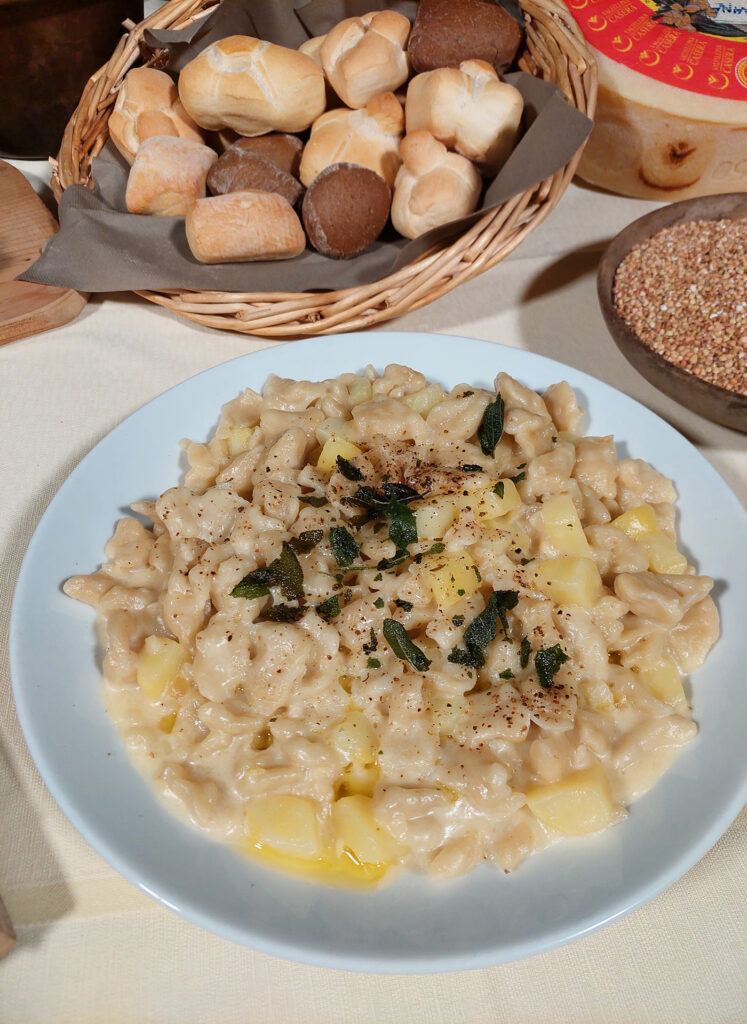
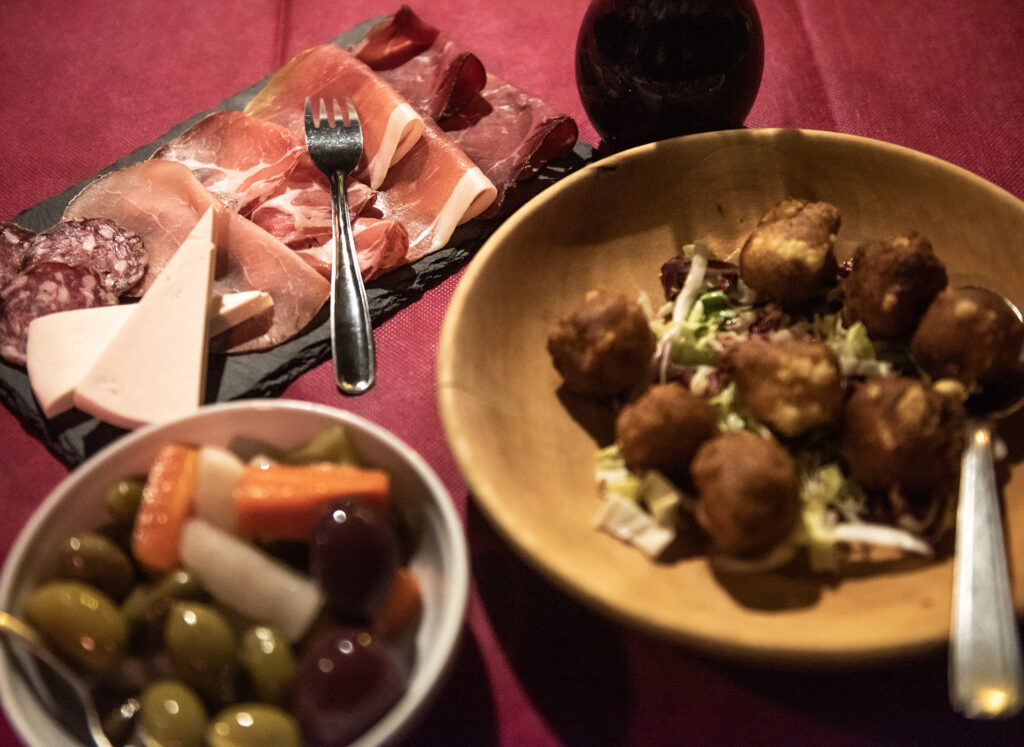
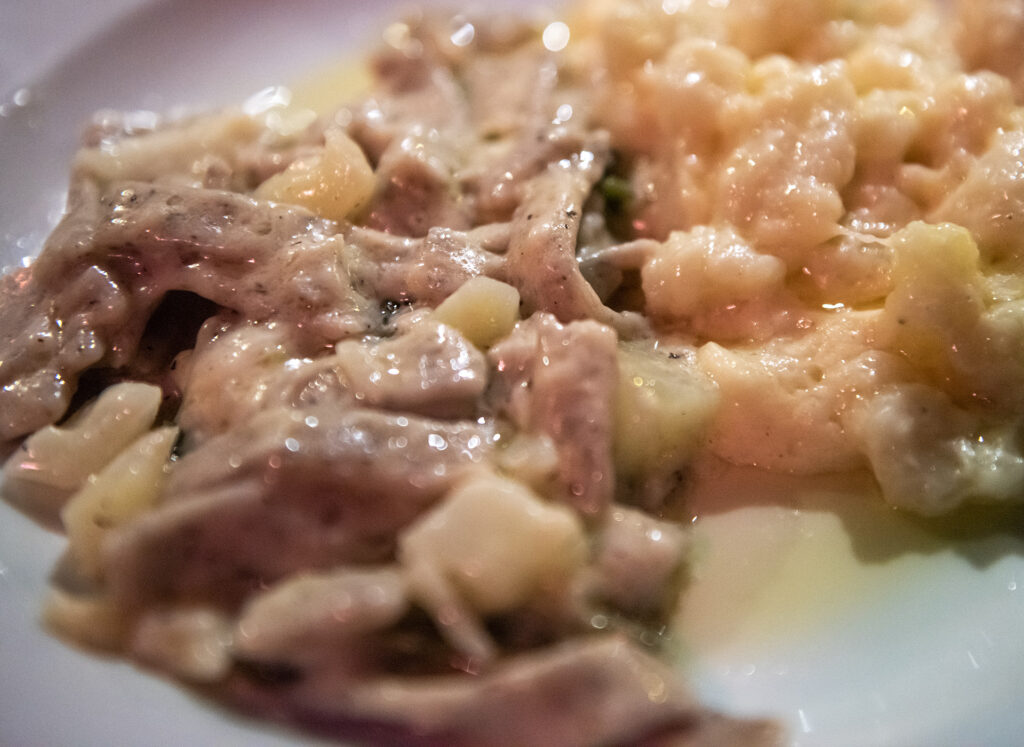
Unlike the better-known buckwheat pizzoccheri of Valtellina, White Pizzoccheri of Valchiavenna are prepared exclusively with white flour. Their texture is softer and more compact, resembling small irregular dumplings, and preserves an ancient preparation linked to Chiavenna’s culinary traditions.

According to historical accounts of local gastronomy, the availability of white flour in Valchiavenna was encouraged by the continuous trade routes passing through Chiavenna along Alpine corridors connecting the Po Valley and Northern Europe. This access to raw materials contributed to the development of a variation distinct from the pizzoccheri found in Valtellina.

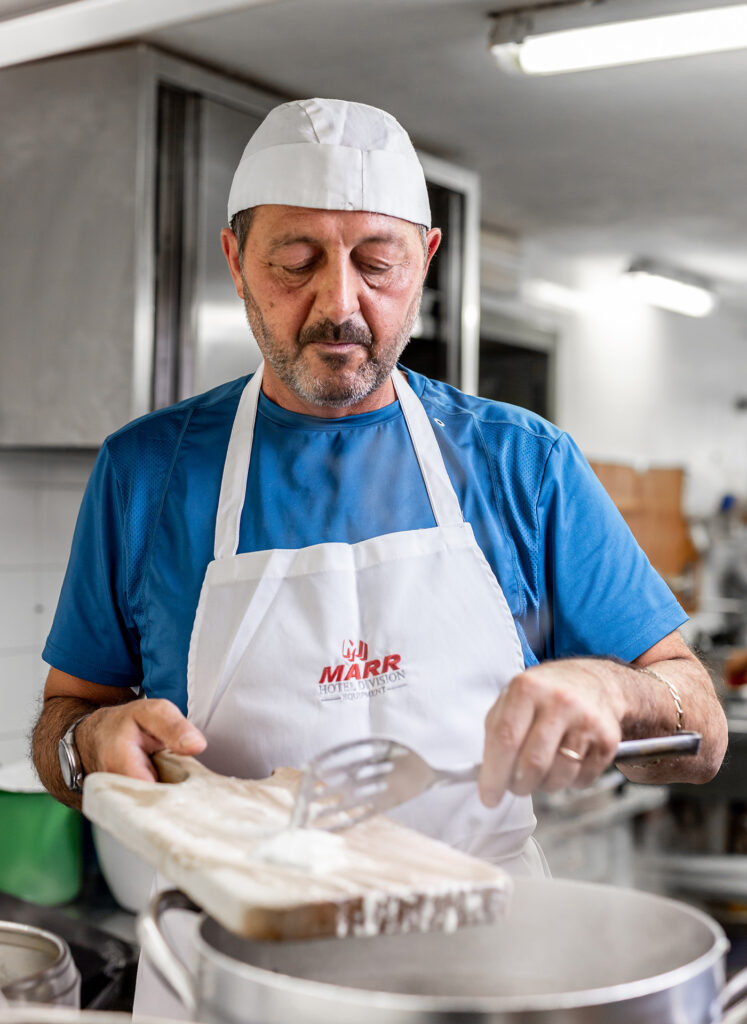
One of the most characteristic aspects of the traditional preparation concerns the way the dough was shaped. Historically, pizzoccheri were made by directly pinching portions of dough with a spoon before cooking. This simple artisanal gesture is considered one of the elements that best preserves the original form of the dish and the very meaning behind the name “pizzocchero”.

Today, the recipe still finds its most authentic expression in the crotti of Valchiavenna, natural cellars built among the rocks and crossed by the sorel, the characteristic natural airflow that maintains constant temperature and humidity throughout the year. In these symbolic places of Alpine conviviality, White Pizzoccheri continue to be prepared and served according to tradition.

The seasoning is rich and deeply rooted in mountain cuisine: melted local cheese, generous amounts of butter, garlic and sage accompany the dough, creating a warm, intense and comforting dish originally designed to meet the energy demands of Alpine life.

Over time, White Pizzoccheri have become one of the most representative gastronomic symbols of Valchiavenna, taking centre stage at gatherings in the crotti and at convivial occasions where food becomes an experience of sharing, memory and local identity.

Tasting White Pizzoccheri means connecting with an authentic cuisine made of essential ingredients, inherited traditions and ancient gestures that still tell the story of the mountains and of Valchiavenna today.

Infopoint
Consorzio Turistico Valchiavenna
Piazza Caduti per la Libertà, 4
23022 Chiavenna (SO)
0343 37485
consorzioturistico@valchiavenna.com

Beer in Valchiavenna: A Story of Industry, Water and Mountains

Valchiavenna

Among the mountains of Valchiavenna, in the early nineteenth century, an unexpected industrial tradition was born, deeply connected to the local territory: beer production. It was a time of transformation, when alongside cotton mills and textile factories, a new culture of taste began to emerge.

Details

Between 1820 and 1830, the first breweries were established in Chiavenna, supported by ideal natural conditions: pure water, mountain air and, above all, the crotti, remarkable natural environments that served as perfect refrigeration cellars for the brewing and maturation process.
During the period of the Kingdom of Lombardy–Venetia under Austrian administration, brewers from across the Empire found in this valley the ideal place to start production. By 1844 there were already four breweries in operation, with significant output. Only a few years later, the number had grown to nine facilities, capable of covering an important share of national production.

The success, however, did not last forever. Changes in trade routes, competition from new industrial centres, supply difficulties and rising costs gradually led to a decline in the sector.
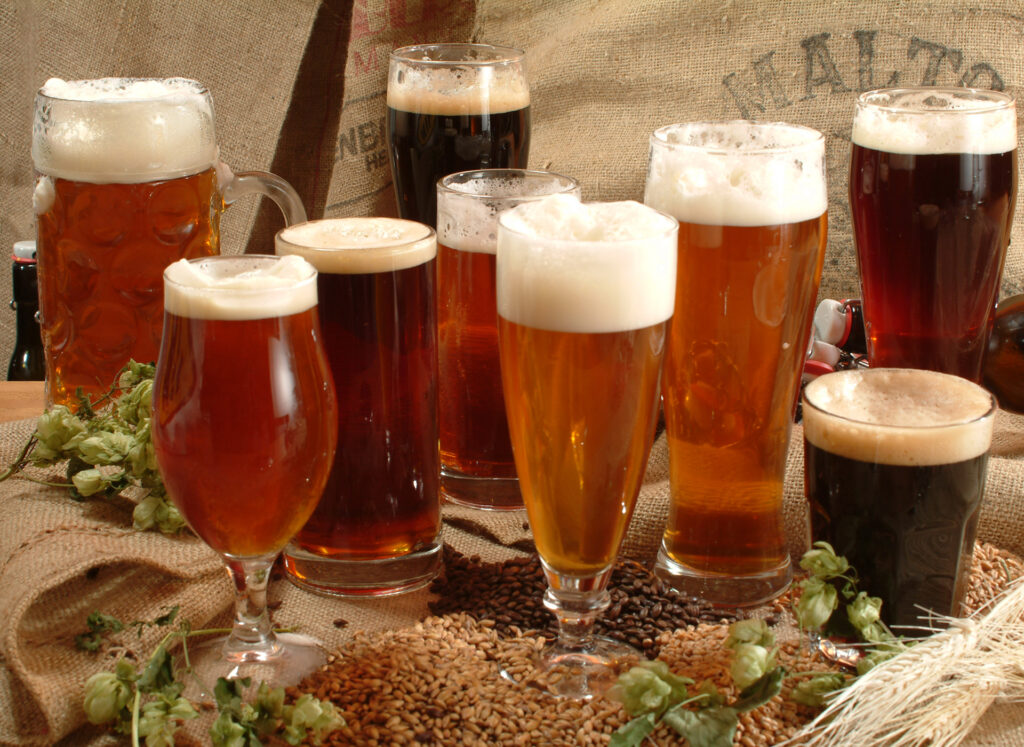
Despite these challenges, Chiavenna beer had already gained a reputation for its quality and character, particularly thanks to its bottom-fermented brewing method inspired by German traditions, known as the famous Birrone di Chiavenna.

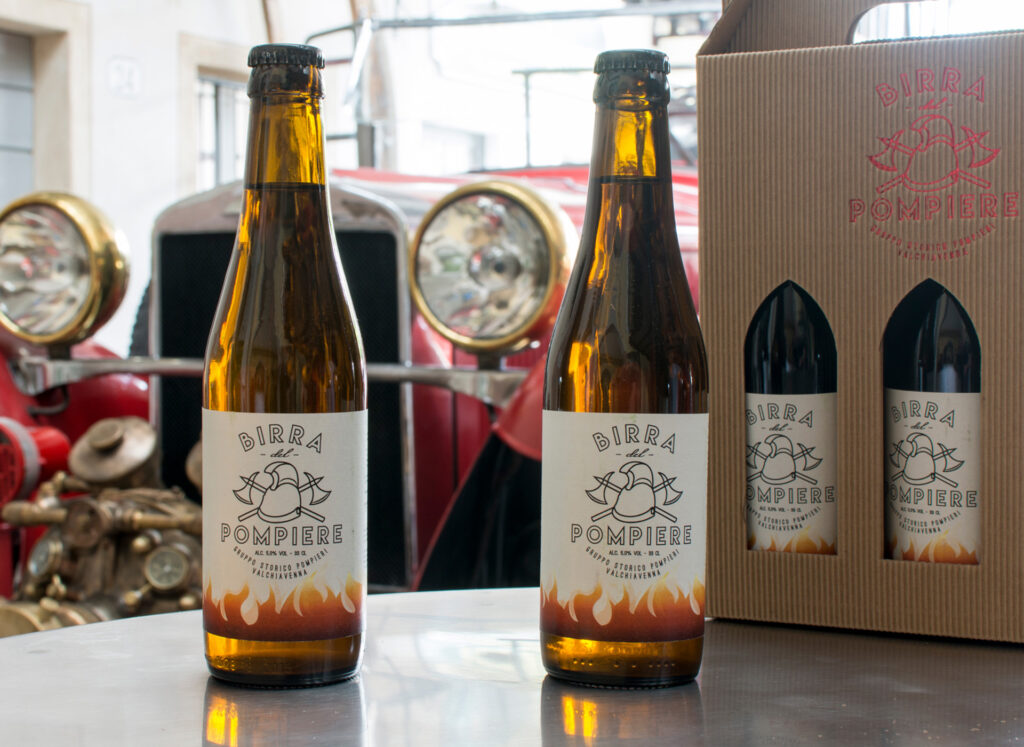
In the early twentieth century, the breweries merged into the Spluga Brewery, which by the 1920s had reached significant production levels and employed more than one hundred workers. Yet the decline was already underway. In 1957, after a final attempt to relaunch the business and relocate production to the plains, operations came to an end, later continuing under new identities such as Splügen Bräu.
Thus ended, after approximately 135 years, the story of Chiavenna’s brewing industry: an important chapter marked by innovation, work and Alpine identity.
A story that remains as memorable as the fresh and authentic taste of a beer born among the mountains.

Infopoint
Consorzio Turistico Valchiavenna
Piazza Caduti per la Libertà, 4
23022 Chiavenna (SO)
0343 37485
consorzioturistico@valchiavenna.com

Traditional Desserts: The Sweet Taste of The Mountains

Valchiavenna

In the heart of Valchiavenna, desserts also tell an ancient story of ingenuity, simplicity and genuine flavours. Every ingredient comes from the land and is transformed into memory, celebration and comfort.

Details

Flour is the foundation of many traditional recipes, and its heritage is preserved at the Bottonera Mill, a historic 19th-century mill that now serves as a museum. Here, visitors can discover the legacy of a working culture in which water, stone and time combined to produce everyday food.
Butter carries the fragrance of alpine pastures, while sugar, spices and dried fruits arrived as early as the Middle Ages through transalpine trade routes that connected different cultures and regions.

Among the most beloved specialities are Biscotìn de Pròst, a classic local biscuit. The original recipe is still produced today by the Del Curto Mill in Prosto di Piuro, where the Del Curto sisters carefully preserve a recipe passed down through generations. Made from simple ingredients such as flour, sugar and butter, these biscuits are the result of long-standing artisanal expertise. Each biscuit reflects care and local identity and is often still wrapped by hand in colourful paper that highlights its authenticity.

Torta Fioretto takes its name from wild fennel flowers, which give the cake its distinctive aroma. It is a simple and fragrant preparation in which leavened dough combines with butter and sugar to create a balance of rustic and delicate flavours.

Finally, Oss de Mord represent the crunchy side of local tradition. These dry biscuits are enriched with almonds and egg whites and can be enjoyed on their own or paired with sweet wine. Alongside them are Montagnoli, small pastries enriched with raisins.
These desserts embody the simplest and most authentic soul of the mountains: ancient gestures, essential ingredients and flavours that evoke the warmth of home.

Infopoint
Consorzio Turistico Valchiavenna
Piazza Caduti per la Libertà, 4
23022 Chiavenna (SO)
0343 37485
consorzioturistico@valchiavenna.com

Brisaola of Valchiavenna: The Slow Flavour of The Mountains

Valchiavenna

Discover Brisaola of Valchiavenna, a traditional cured beef speciality aged in crotti and crafted according to centuries-old alpine traditions.

Details

In the valleys of Valchiavenna, a local speciality reflects the knowledge and culture of alpine communities: Brisaola. Simple in appearance, it is the result of ancient expertise refined over centuries through precise and essential techniques.
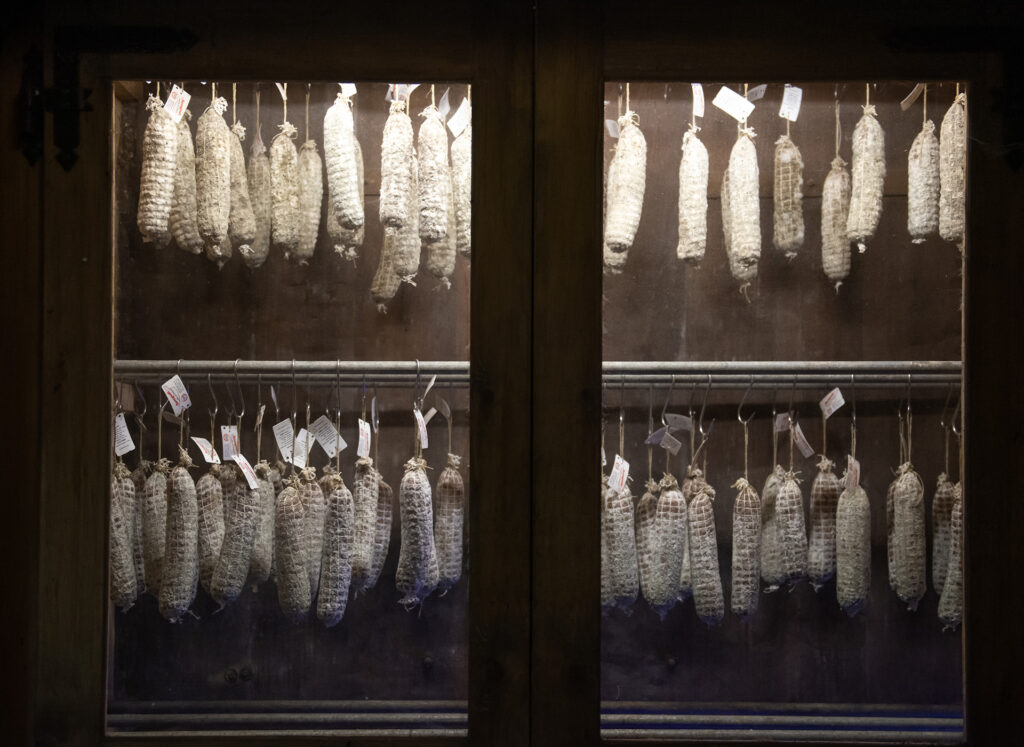
The process begins with the careful selection of the finest cuts of beef, trimmed of fat, tendons and less valuable parts. The meat is prepared by hand and left to rest in containers filled with salt, pepper and natural seasonings, following recipes traditionally preserved by local curing specialists.

During this first slow and silent stage, the meat begins its transformation. After approximately fifteen days, it enters the crucial ageing phase, which takes place in the pure, dry mountain air for several weeks until it reaches a tender texture and a delicate yet distinctive flavour.
Historical records from the 15th century already mention carne salada in Valchiavenna, considered the ancestor of today’s brisaola. Here the product developed its own identity, including its name, brisaola, distinct from the more widely known bresaola. According to some interpretations, the term derives either from brisa, a particularly salty bovine gland, or from brasa, meaning embers in local dialect, referring to historic meat preservation and smoking methods.

In some artisanal productions, smoking is still part of the process. Aromatic wood smoke contributes to preservation while enhancing the meat with rich and distinctive aromas.

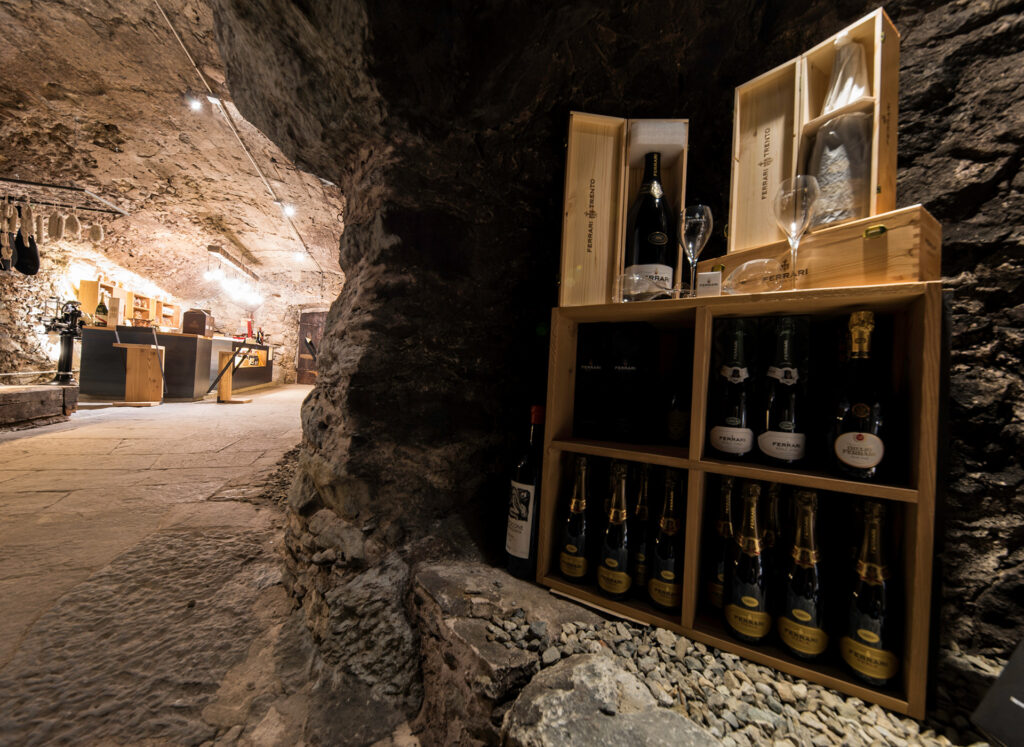
The true secret of Valchiavenna’s brisaola lies in its connection to the crotti. In these natural cellars built among large boulders and crossed by the sorel airflow, which maintains a constant temperature of around 8°C, the ageing process occurs naturally and under ideal conditions. It is this breath of the mountain that makes the final product unique, creating an environment where wine, cured meats and cheeses mature without artificial intervention.
Brisaola is more than a cured meat: it is the story of the mountains transformed into flavour, tradition and memory.

Infopoint
Consorzio Turistico Valchiavenna
Piazza Caduti per la Libertà, 4
23022 Chiavenna (SO)
0343 37485
consorzioturistico@valchiavenna.com

Balze Grigie: A Unique Wine from The Terraces of Pianazzola

Valchiavenna

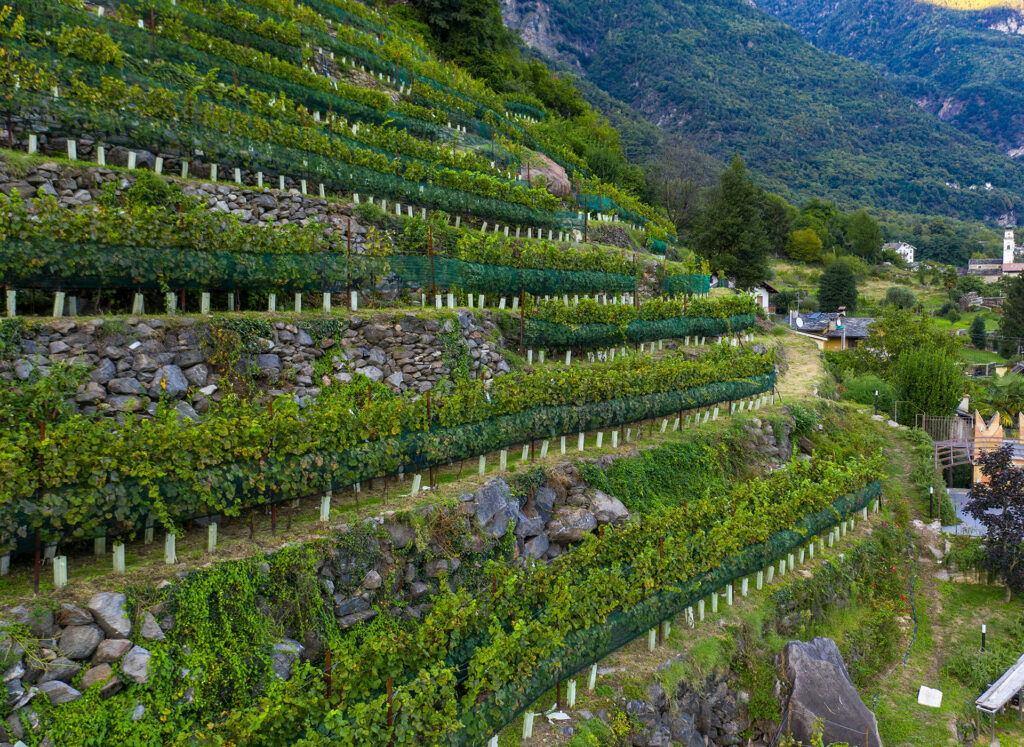
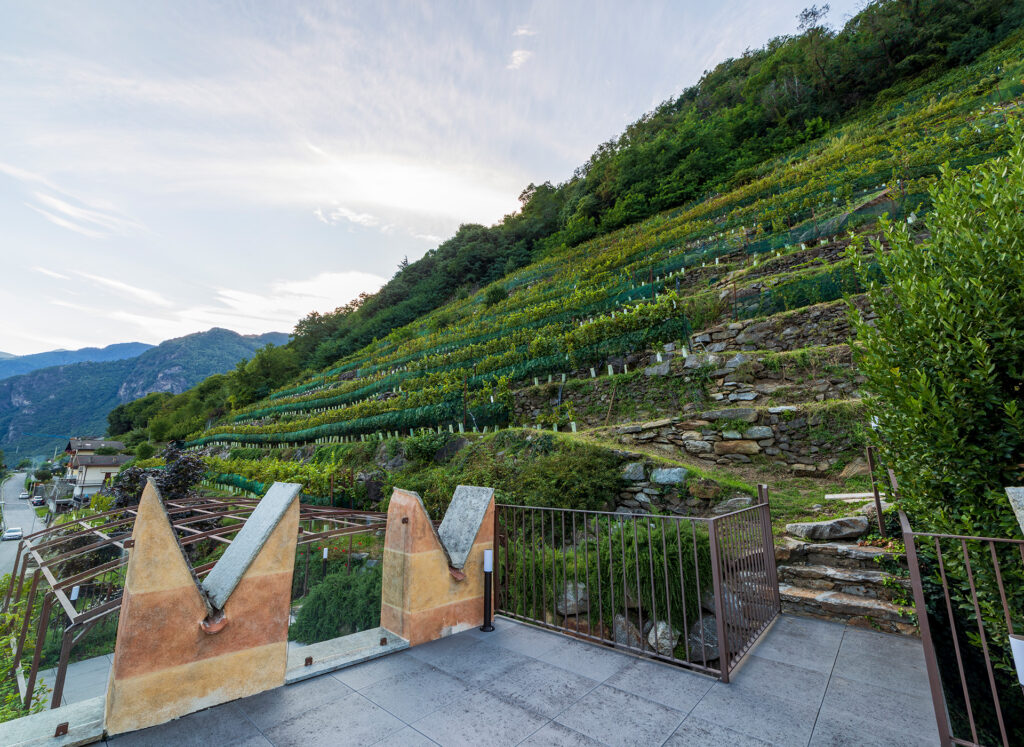
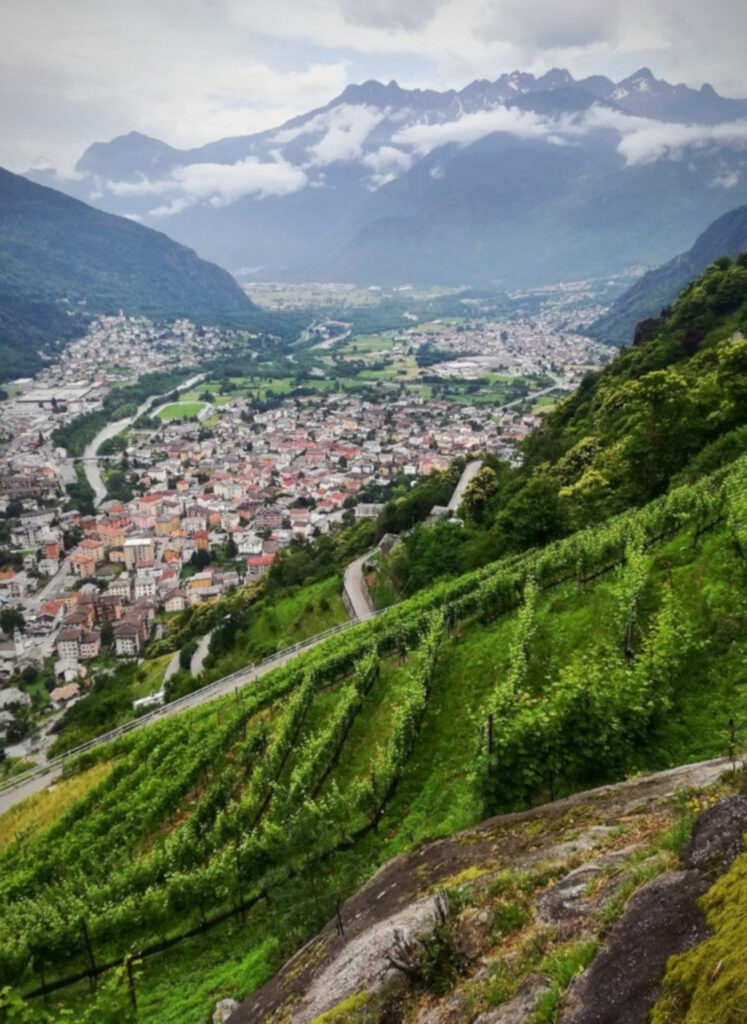
Among the ancient, terraced vineyards of Pianazzola, where stone meets sunlight and the mountains preserve generations of agricultural heritage, a story of passion, vision and respect for the land has taken shape. Balze Grigie is far more than a winemaking project: it is the expression of a deep connection to the territory and to the memory of those who cultivated it over the centuries.

Details

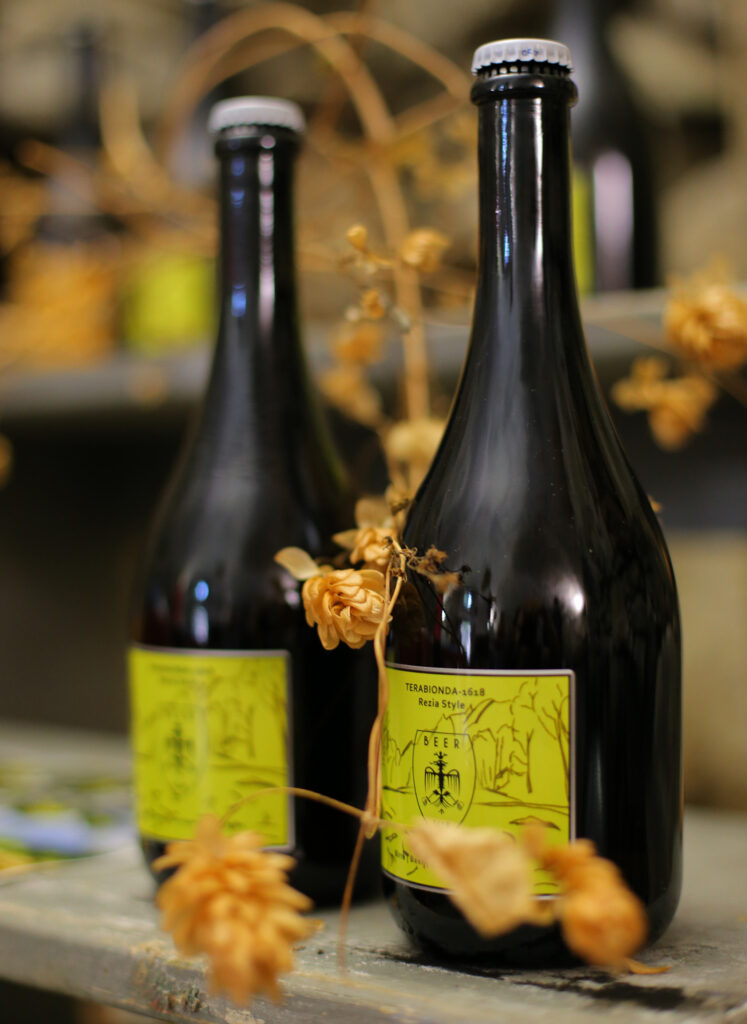
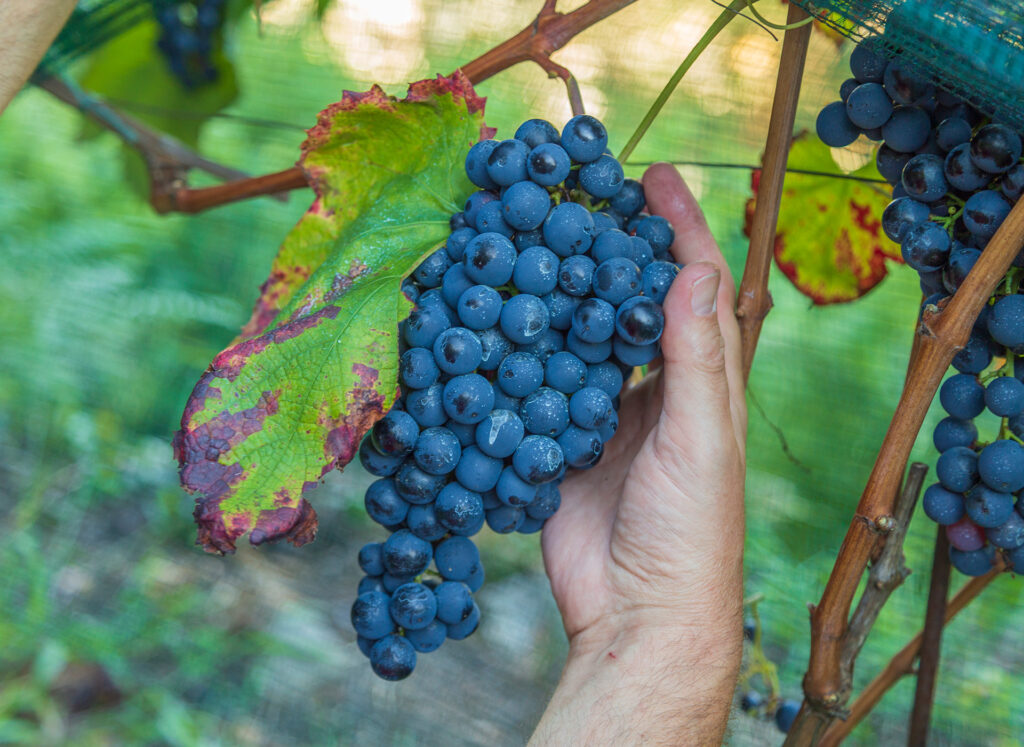
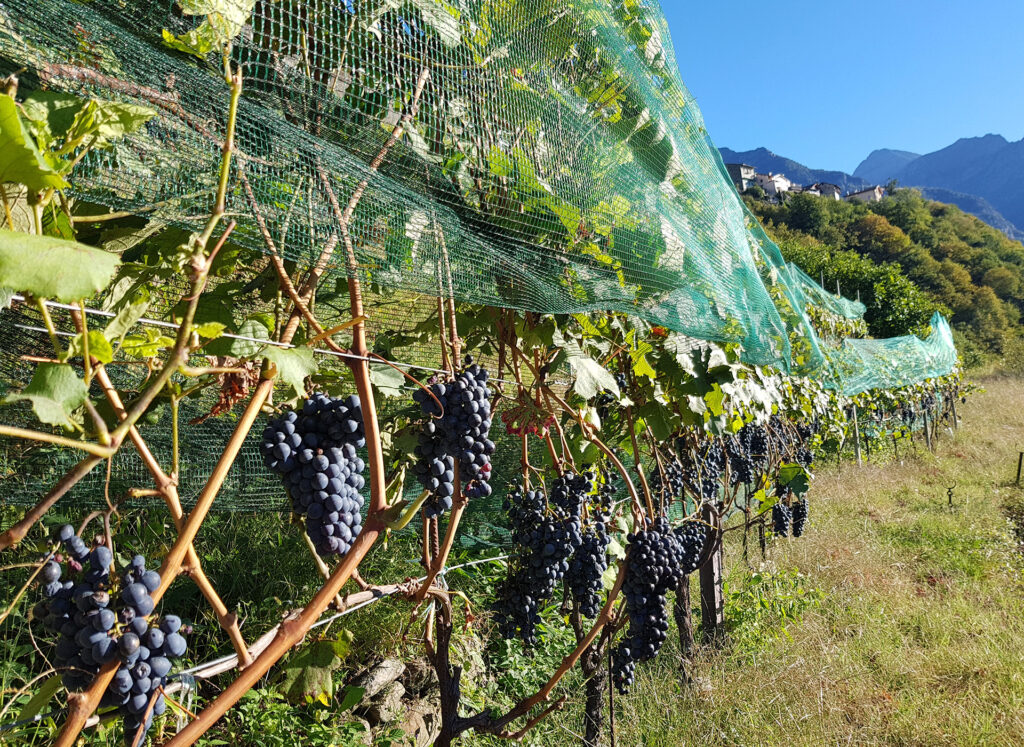
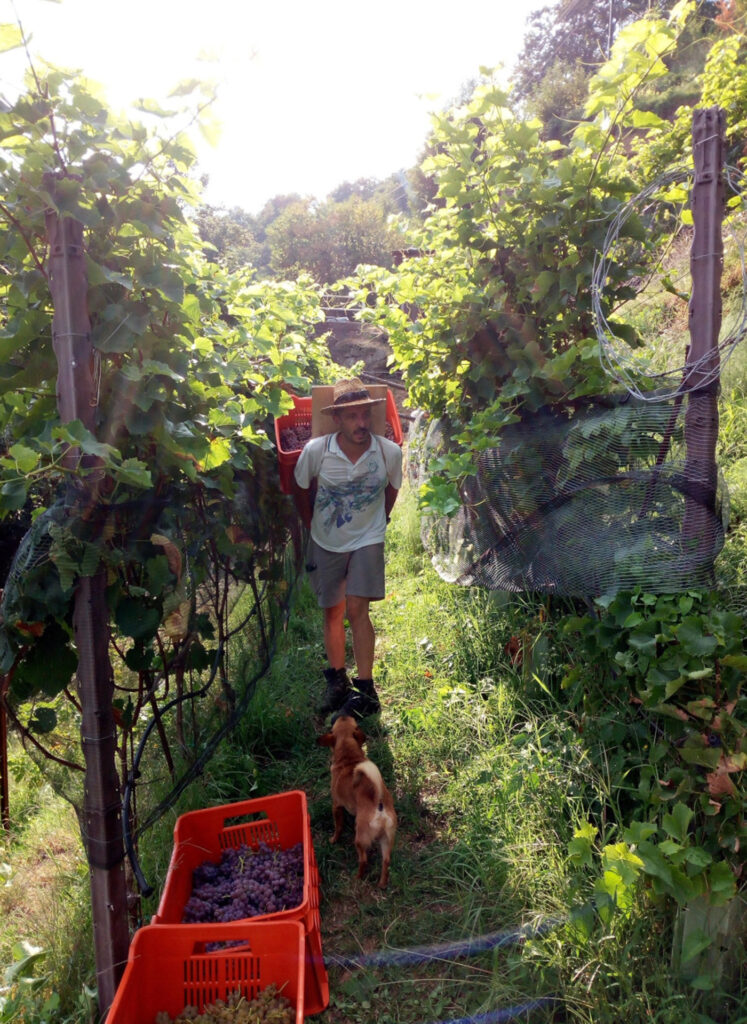
At the foot of the terraced slopes of Pianazzola, above Chiavenna, a prestigious and unexpected grape variety has flourished in recent years: Pinot Noir. From these grapes comes an elegant and distinctive wine, the result of a bold choice and a careful pursuit of quality.

The project began in 2009 with the restoration of an abandoned historic terrace. What started as a small initiative gradually developed into an ambitious wine-growing project based on organic cultivation and the enhancement of grape varieties uncommon to the valley. The project was created by Giancarlo Geronimi together with his uncle Ernesto Dell’Ava and his friend Romeo Sozzi.
Behind every vineyard row lies careful research, experience and a clear vision: producing an authentic wine that respects the environment and remains deeply connected to the surrounding landscape. Today, this niche project extends across approximately one and a half hectares of terraced vineyards.

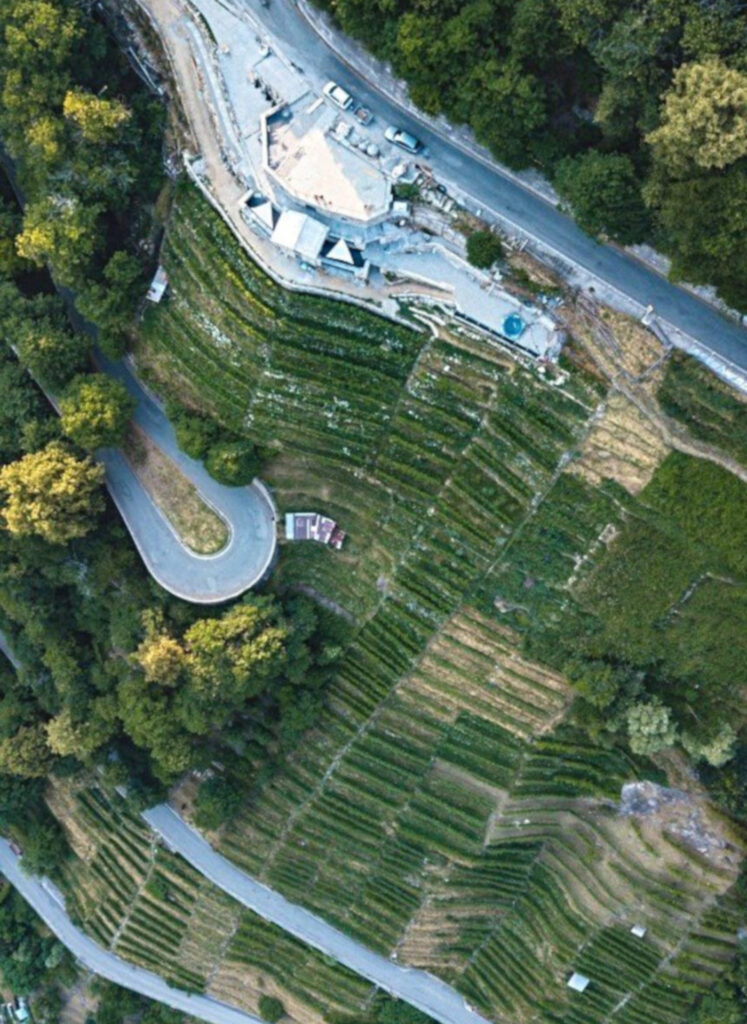
The name Balze Grigie refers to the grey granite that supports the historic vineyard terraces, restored to their original beauty through an extensive recovery project. This initiative has not only agricultural value but also cultural and landscape significance, bringing a valuable part of Pianazzola’s history back to life.

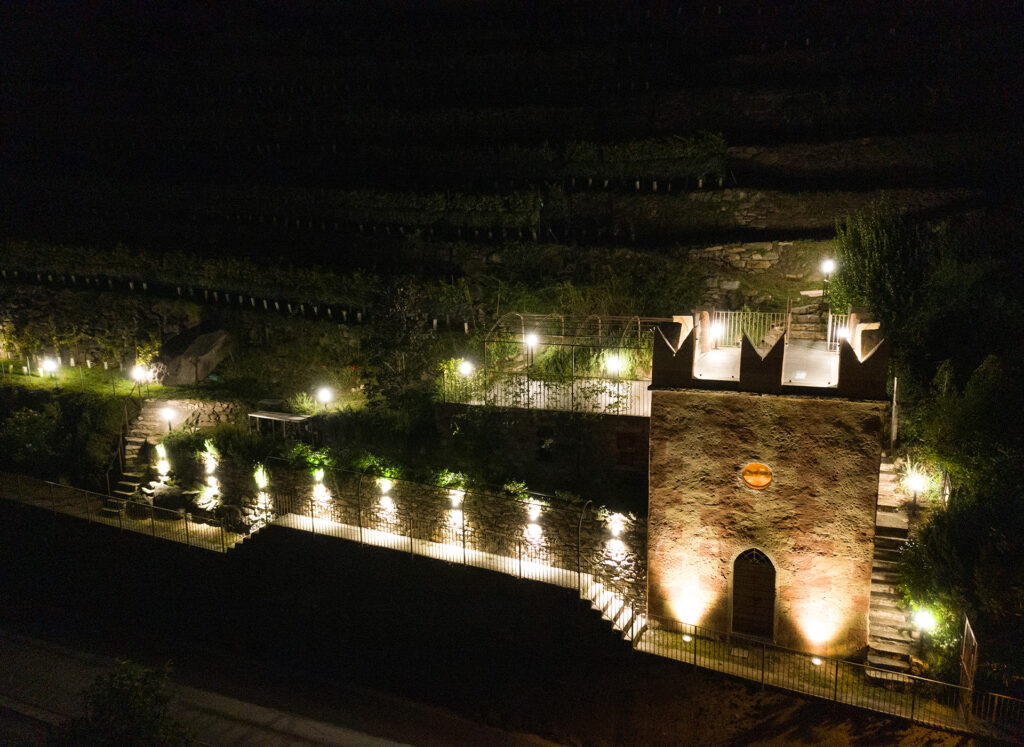
These vineyards tell an ancient story passed down through generations: the rows once cultivated by a grandmother and great-grandmother, the historic “middle vineyards,” and the restoration of the old tower in the San Giovanni area, whose origins date back to the 13th century.

Balze Grigie is the result of a dream that continues to grow year after year: producing a wine unique to this territory, capable of expressing tradition, innovation and the spirit of the mountains in every glass. A wine that tells not only the story of a place, but also its most authentic heritage.

Informations
Infopoint
Consorzio Turistico Valchiavenna
Piazza Caduti per la Libertà, 4
23022 Chiavenna (SO)
0343 37485
consorzioturistico@valchiavenna.com

Vini Hermau in Pianazzola: Where Wine Meets the Landscape

Valchiavenna

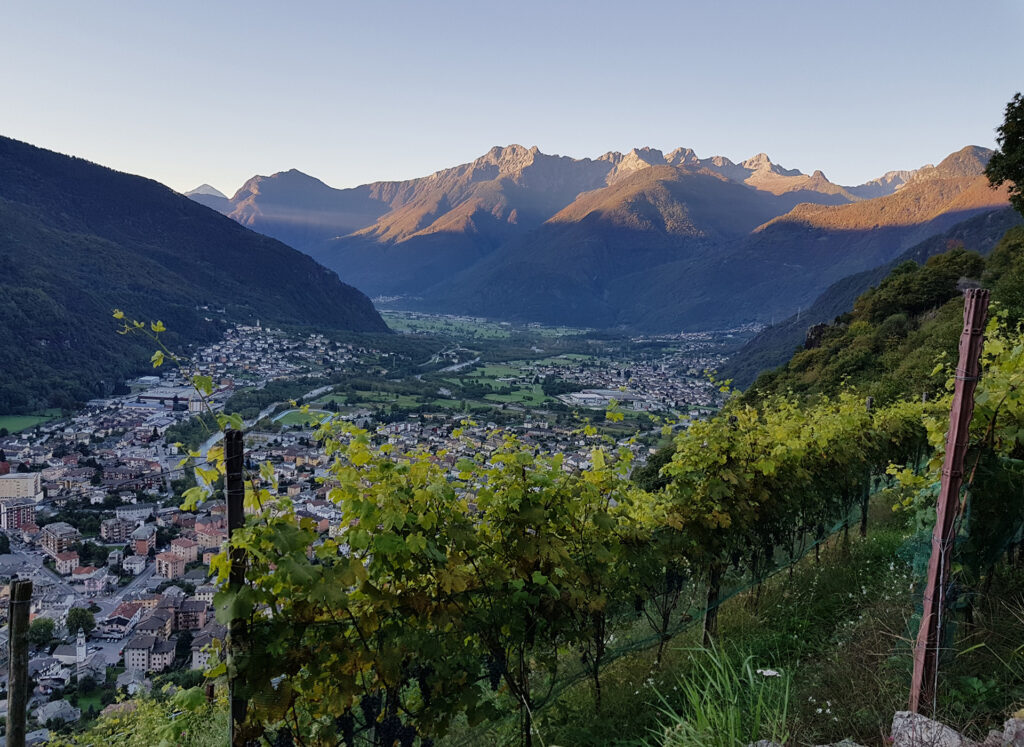
Vini Hermau is a winery and hospitality business located in Pianazzola, above Chiavenna, where natural wine production, accommodation and alpine landscapes come together among historic terraces, vineyards and panoramic views over Val Bregaglia.

Details

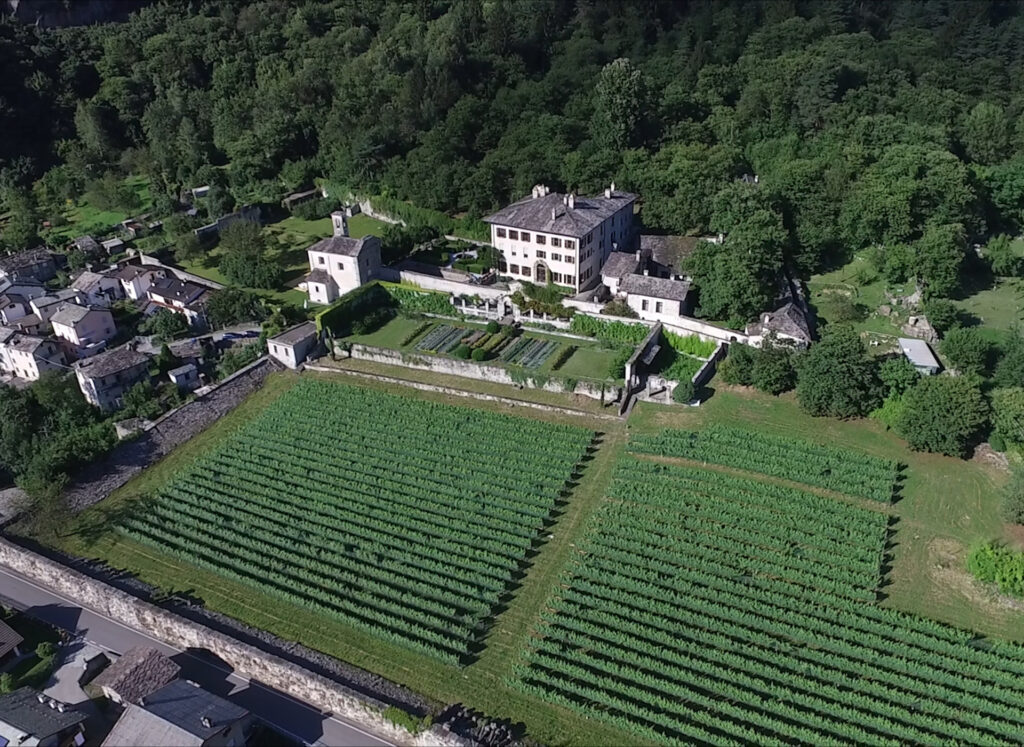
Among the sunlit terraces of Pianazzola, above Chiavenna, Vini Hermau was created as a project that combines winemaking, hospitality and the enhancement of Valchiavenna’s alpine landscape. Here, viticulture is closely connected to mountain history and a contemporary vision of hospitality, creating an authentic destination surrounded by vineyards, stone walls and views across Val Bregaglia.

The project grew from years of experience gained in vineyards and wineries around the world and evolved into a commitment to producing natural wines capable of expressing the character of Chiavenna and Pianazzola. The first vintage was produced in 2015, marking the beginning of a journey based on quality, environmental respect and the promotion of the unique characteristics of the valley’s terraced vineyards.ù

The vineyards extend between Pianazzola and the municipality of Piuro in Val Bregaglia, following the historic vineyard terraces that define the local landscape. Alongside traditional grape varieties, PIWI varieties are also cultivated, with particular attention paid to sustainability and the natural balance of the alpine environment.

At the heart of the project is the Vini Hermau winery, located in the Ronchi area of Pianazzola. Built using local stone and perfectly integrated into the surrounding terraces, the winery was designed not only as a production facility but also as a place for meeting, learning and discovering the territory. Visitors can enjoy wine-tasting experiences dedicated to the wines of Valchiavenna while immersed in a landscape of remarkable beauty.

Alongside wine production, Vini Hermau also offers accommodation through rooms and self-catering apartments surrounded by the tranquillity of the mountains. The experience combines wine, nature and a slower pace of life, allowing guests to experience vineyard life and the authentic atmosphere of Pianazzola first-hand.

The business is run by the Herman family: Maurizio and Monica together with their children Martina, Giacomo and Giulia. Every day, their work is divided between the vineyards, the winery and hospitality, with the shared goal of promoting a territory that still preserves a strong agricultural and landscape identity.

Today, Vini Hermau represents one of the most authentic expressions of mountain viticulture in Valchiavenna, where wine becomes a story of the land, stone terraces and the deep relationship between people and the alpine environment.

Informations
Infopoint
Consorzio Turistico Valchiavenna
Piazza Caduti per la Libertà, 4
23022 Chiavenna (SO)
0343 37485
consorzioturistico@valchiavenna.com

Crotti: Places of Tradition and Togetherness

Valchiavenna

In the heart of Valchiavenna, there are places where time seems to slow down, hidden among ancient rocks, the aroma of wine and stories passed down through generations. Crotti are far more than simple buildings: they are the most authentic expression of alpine conviviality, spaces shaped by nature and transformed by people into places of gathering, flavour and memory.

Details

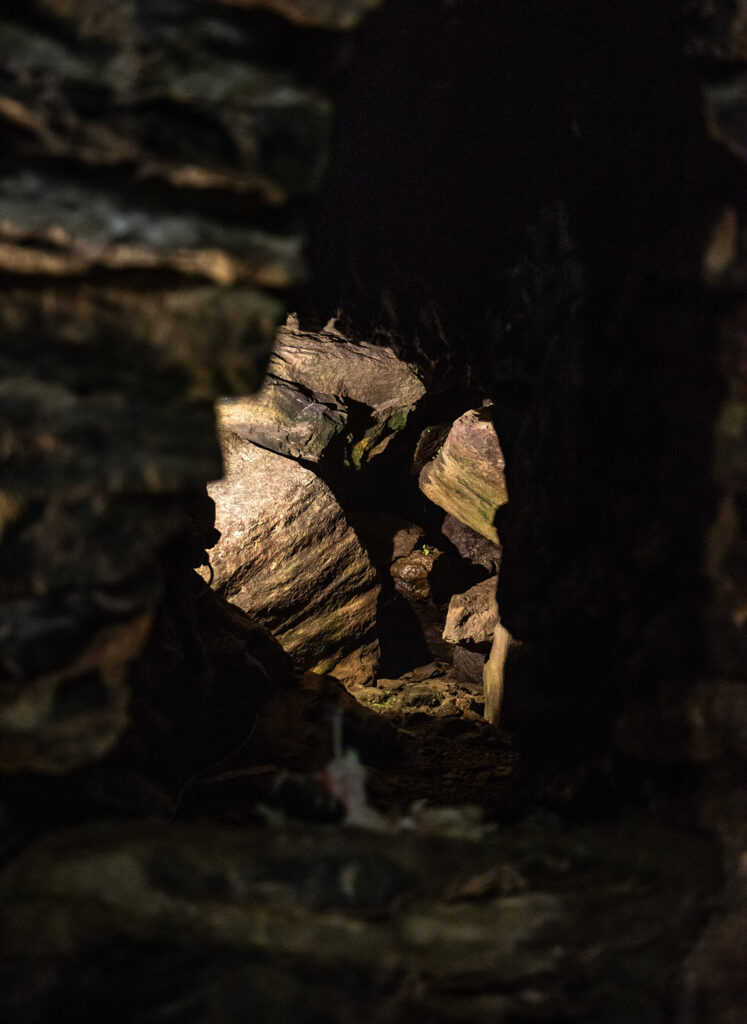
Crotti are built among the huge boulders left by ancient landslides and are crossed by the sorel, a natural airflow that maintains a constant temperature throughout the year—cool in summer and mild in winter. This natural breath of the mountain creates the perfect conditions for wine ageing and the curing of salami, bresaola and cheeses.

Throughout the valley, crotti are found in charming corners surrounded by greenery, often hidden among the rocks. Some have become traditional restaurants where local cuisine meets the warm and refined atmosphere of the mountains. Others remain private, passed down from one generation to the next as treasured family heritage.

Over time, an entire culture of social gathering has developed around the crotti. Stone tables, lit fireplaces, grilled ribs cooked alla piota and glasses of wine shared among friends and family make conviviality a simple and genuine ritual. For decades, crotti have been places of celebration, meetings, storytelling and even business deals concluded over a good glass of wine.

Every crotto tells a story of hospitality, tradition and human connection. It is no coincidence that an old inscription in Chiavenna reads: “Good wine sold here and lessons in humanity given.” Perhaps this is the true essence of the crotti: teaching the value of being together with simplicity and authenticity.

Even today, visiting a crotto means connecting with the most genuine soul of the valley, surrounded by nature, silence and flavours that feel like home. A place where time is measured not by a clock, but by the pleasure of sharing.

Infopoint
Consorzio Turistico Valchiavenna
Piazza Caduti per la Libertà, 4
23022 Chiavenna (SO)
0343 37485
consorzioturistico@valchiavenna.com

Chiavenna, the historic town of Valchiavenna

Valchiavenna

Chiavenna is one of the most distinctive towns in Valchiavenna, featuring a historic centre rich in Renaissance palaces, soapstone portals, riverside architecture along the Mera River and historical landmarks that reflect the town’s role in trade between Italy and Northern Europe. It is also recognised as a Cittàslow and has been awarded the Orange Flag by the Touring Club Italiano for the quality of its heritage and hospitality.

Details

Walking through Chiavenna’s historic centre means exploring an urban landscape shaped by centuries of architectural and historical layers. Decorated façades, fountains and soapstone portals, often adorned with floral and geometric motifs, define the visual identity of the town and reflect a deeply rooted local craft tradition.

Much of the centre developed from the 16th century onwards and was originally enclosed by Sforza walls, portions of which are still visible today, highlighting Chiavenna’s strategic and commercial importance through the centuries. Located along major routes connecting the Mediterranean with Northern Europe, the town experienced a period of prosperity linked to trade and exchange, reflected in the quality of its architecture.

Among the most characteristic features of the historic centre are the buildings overlooking the Mera River, creating picturesque views and a direct relationship between the town and the water. Hidden courtyards and gardens, such as the Córt di àsen, preserve a more intimate and authentic atmosphere that has remained largely unchanged over time.

One of the town’s main streets is Via Dolzino, often considered Chiavenna’s “living room”. Historic palaces with decorated portals, coats of arms and balconies line the street, many of them once belonging to influential families such as the Salis. Connecting several squares, Via Dolzino remains a central part of local life, where architecture and everyday life come together, reflecting the welcoming atmosphere that contributed to Chiavenna’s recognition as a Cittàslow.

The historic centre is dotted with buildings of significant historical and artistic value. Among them is the Collegiate Church of San Lorenzo, whose origins date back to the 5th century and which remains one of the town’s main religious landmarks. Expanded and embellished over the centuries, it houses important paintings, sculptures and sacred furnishings preserved in the Treasury Museum.

Another notable feature is the church portico, built between the 17th and 18th centuries. Once marking the boundaries of the cemetery area, it now stands as a harmonious architectural space. Inside are several works in soapstone, including the Pietà sculpture, demonstrating the artistic use of this local material.

The importance of soapstone can also be seen in other elements of the town, including the Romanesque baptismal font of the collegiate church and the many decorated portals found throughout the historic centre. This material has played a key role in shaping Chiavenna’s architectural identity.

Another distinctive feature is the Caurga, a large Roman-era soapstone quarry located between the Paradiso and Castellaccio hills. Over time, the area was transformed into a defensive trench, becoming part of the town’s fortification system.

The historic centre is also divided into several districts, each with its own character. The Santa Maria district features buildings dating from the 16th to the 18th century with richly decorated portals, while Santa Rosalia developed along the route leading towards the Spluga Pass and preserves traces of 17th-century history, including events linked to the plague.

The urban landscape is further enriched by areas such as Pratogiano, a large green space with centuries-old plane trees located on the edge of the town, and by the houses overlooking the Mera River, some of which were built on sections of the ancient walls. The quality of the urban environment, commitment to heritage preservation and widespread hospitality also contributed to Chiavenna receiving the Orange Flag award from the Touring Club Italiano, recognising outstanding inland destinations of cultural and tourist value.

Chiavenna’s historic centre is therefore a place where architecture, history and everyday life come together. More than a destination to visit, it is a place to explore carefully, where every street, building and detail helps tell the story of the town and its role within Valchiavenna and the wider Alpine region.

Infopoint
Consorzio Turistico Valchiavenna
Piazza Caduti per la Libertà, 4
23022 Chiavenna (SO)
0343 37485
consorzioturistico@valchiavenna.com

Giant’s Pots Nature Reserve in Chiavenna

Valchiavenna

The Giant's Pots Park in Chiavenna is a regional nature reserve located just outside the town, renowned for its spectacular glacial geomorphological formations, hiking trails, and rich natural, historical and archaeological heritage, among the most significant in Valchiavenna.

Details

North of Chiavenna, on the slopes of the mountain range that marks the transition between Valchiavenna and Val Bregaglia, lies the Giant’s Pots Park: a natural area of outstanding scenic, geological and cultural value.

The park includes both the Regional Nature Reserve, established in 1983, and a neighbouring area of environmental significance, forming an extensive and accessible system crossed by ancient mule tracks and historic paths. Once used to reach the soapstone quarries, these routes now offer an immersive journey through nature and history.

At the heart of the park are the giant’s pots, cavities carved into the rock by glacial action during the Quaternary ice ages. Meltwater streams flowing over the ice and plunging into crevasses carried debris that, swirling continuously, eroded the bedrock below, creating deep cylindrical and basin-shaped holes.

These formations, often connected by channels and pools, represent one of the most complete and spectacular examples of this phenomenon in Europe.

Yet the park is much more than its giant’s pots. The entire area is an open-air natural museum where visitors can observe numerous traces of glacial activity, including polished and striated rocks, known as roche moutonnées, erosion channels, erratic boulders and geomorphological terraces distributed across the mountainside.

Together, these features reveal a landscape shaped over time by large-scale natural processes.

Alongside its geomorphological significance, the park also preserves important evidence of human presence. Rock engravings, markings and symbols can be seen on polished rock surfaces and within ancient quarries, documenting thousands of years of human activity in the area.

The site is also linked to the history of soapstone extraction, which took place here and supplied material used since the Iron Age for producing cooking vessels and tools.
ù
From a naturalistic perspective, the park is notable for its diversity of habitats and species. The woodlands are mainly composed of native trees such as chestnut, maple, ash and lime, while the rocky vegetation reflects unique microclimates that support species typically found in sub-Mediterranean environments.

The nearby Paradiso Botanical Garden further enriches the area by preserving some of the region’s rarest and most significant plant species, enhancing its scientific and educational value.

The park also offers a variety of panoramic viewpoints. Rocky outcrops provide views of alpine peaks, valley villages and iconic landmarks such as the Acquafraggia Waterfalls.

This variety of landscapes creates a dynamic visitor experience that combines observation, walking and interpretation of the territory.

The Giant’s Pots Park is therefore much more than a single attraction. It is a place where geology, history and nature converge, offering a comprehensive understanding of Valchiavenna. An accessible yet remarkably rich environment where every element contributes to telling the story of the evolution of the Alpine landscape.

Informations

Free access.
Area equipped with walking routes and information panels.

Infopoint
Consorzio Turistico Valchiavenna
Piazza Caduti per la Libertà, 4
23022 Chiavenna (SO)
0343 37485
consorzioturistico@valchiavenna.com

Search in the website